
EMDR Therapy

Healing Beyond
Talk Therapy.

EMDR therapy helps people process difficult experiences, reduce emotional distress, and move forward with greater confidence, calm, and resilience.

Whether you’re struggling with anxiety, overwhelming emotions, distressing memories, or patterns that seem difficult to break, EMDR may offer a path toward lasting healing.

Schedule a Consultation

Compassionate  •  Trusted  •  Growth  •  Empowering  •  Grounded  •  Healing

What is EMDR

Understanding Eye Movement Desensitization and Reprocessing (EMDR)

EMDR stands for Eye Movement Desensitization and Reprocessing, an evidence-based therapy designed to help people process and heal from distressing experiences.

When difficult or overwhelming events occur, the brain sometimes struggles to fully process them. As a result, memories, emotions, beliefs, and physical sensations connected to those experiences can continue to affect us long after the event has passed.

This may show up as:

Anxiety or panic Racing thoughts Difficulty sleeping Negative self-beliefs Feeling stuck in repetitive patterns Emotional overwhelm Feeling disconnected or numb Difficulty trusting yourself or others Strong emotional reactions that seem difficult to control

EMDR helps the brain process these experiences in a healthier way, reducing their emotional intensity and allowing healing to occur.

You Don’t Need to Relive Everything to Heal

One common misconception about trauma therapy is that you must repeatedly talk through every detail of painful experiences.


EMDR works differently.

While your experiences are acknowledged and explored, the focus is not on endlessly revisiting the past. Instead, EMDR helps your brain process unresolved memories and experiences so they no longer feel as overwhelming in the present.

Many clients find this approach empowering because it allows healing to occur without requiring years of retelling difficult stories.

How EMDR Works.

Helping Your Brain Do What It Was Designed to Do

EMDR uses a structured therapeutic approach that supports the brain’s natural ability to process and heal from difficult experiences.

Through guided bilateral stimulation, such as eye movements, tapping, or other techniques, EMDR helps the brain reprocess memories that may be contributing to current distress.

Over time, clients often notice:

Reduced emotional intensity around difficult memories Greater perspective and understanding Less anxiety and reactivity Increased self-confidence Improved emotional regulation A stronger sense of safety and control

The memory itself does not disappear. Instead, it often becomes something you can remember without feeling overwhelmed by it.

Is EMDR Right for Me?

EMDR may be helpful if you find yourself:

  • Feeling Stuck
  • You understand why you’re struggling, but insight alone hasn’t created the change you’re looking for.
  • Living with Anxiety
  • Your mind feels constantly busy, worried, or on high alert.
  • Impacted by Difficult Life Experiences
  • Past events continue to influence your emotions, relationships, confidence, or daily life.
  • Experiencing Strong Emotional Reactions
  • Certain situations, memories, or triggers feel larger than they should.
  • Struggling with Negative Beliefs
  • You often find yourself thinking:
    • “I’m not good enough.”
    • “I’m not safe.”
    • “I can’t trust myself.”
    • “Something is wrong with me.”
  • Feeling Disconnected
  • You may feel numb, detached, or unable to fully engage with life the way you’d like.
Find out more

EMDR Can Help With

EMDR is widely used to address:
  • Trauma
  • Anxiety
  • Panic symptoms
  • Stress and overwhelm
  • Difficult life transitions
  • Grief and loss
  • Low self-esteem
  • Negative self-beliefs
  • Distressing memories
  • Relationship challenges
  • Medical trauma
  • Performance anxiety
Every person’s experience is unique. During your initial consultation, we can discuss your goals and determine whether EMDR may be a helpful approach for your specific needs.

What to Expect.

A Collaborative and Supportive Process
EMDR therapy is not something that happens to you—it is a process we move through together.
 
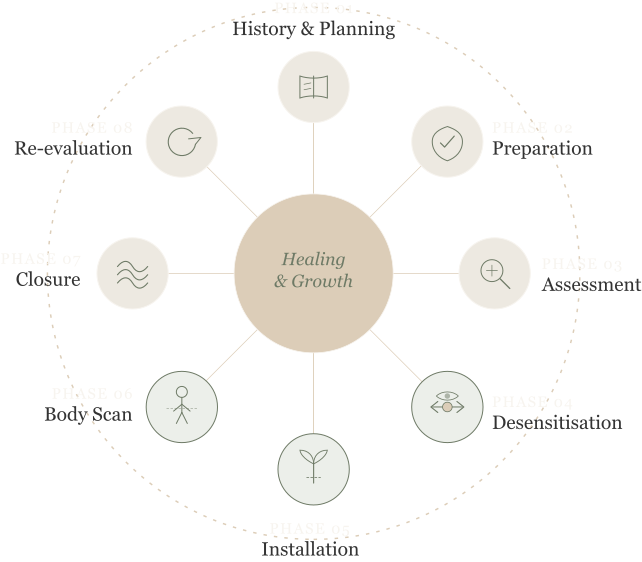
Before beginning EMDR processing, we will spend time:
  • Building trust and rapport
  • Understanding your history and goals
  • Developing coping and grounding skills
  • Ensuring you feel safe and supported
The pace of therapy is tailored to your comfort level and readiness.You will never be pushed faster than feels appropriate for you.

Frequently Asked Questions

No. While EMDR is widely known for treating trauma, it can also help with anxiety, grief, negative self-beliefs, stress, and other challenges rooted in difficult experiences.

Will I have to talk about every detail of what happened?
Not necessarily. EMDR does not require extensive retelling of traumatic events. The process focuses on helping the brain process experiences in a way that feels manageable and supportive.

Every person and situation is different. The length of treatment depends on your goals, history, and the issues being addressed.

Yes. EMDR is supported by extensive research and is recognized as an effective treatment for trauma and related concerns.

Testimonials

Hear directly from our clients.

Contact Me

Take the first step

Seeking support can feel overwhelming.

Rebecca is here to answer your questions and help you determine whether therapy and EMDR may be the right fit for your needs.

Whether you're new to therapy or looking for a different approach, Rebecca provides a welcoming, compassionate space where healing can begin.

Schedule a consultation.

Email

rebeccasakl.lmft@gmail.com

Address (by appointment only)

27 Glen Rd, Sandy Hook, CT 06482

    © 2026 Rebecca A. Sakl, LMFT · All rights reserved.

    Created by
    Ascendant Marketing & Design LLC